Hanane Idihoum
Hi there! I'm Hanane,
Thank you for visiting my portfolio. Here you'll find selected writing, media, and professional projects that reflect my interests and experience across nonprofit organizations, higher education, and the Middle East and North Africa.
ARKAZIA, a short documentary (under review by PBS WETA) | Director & Producer
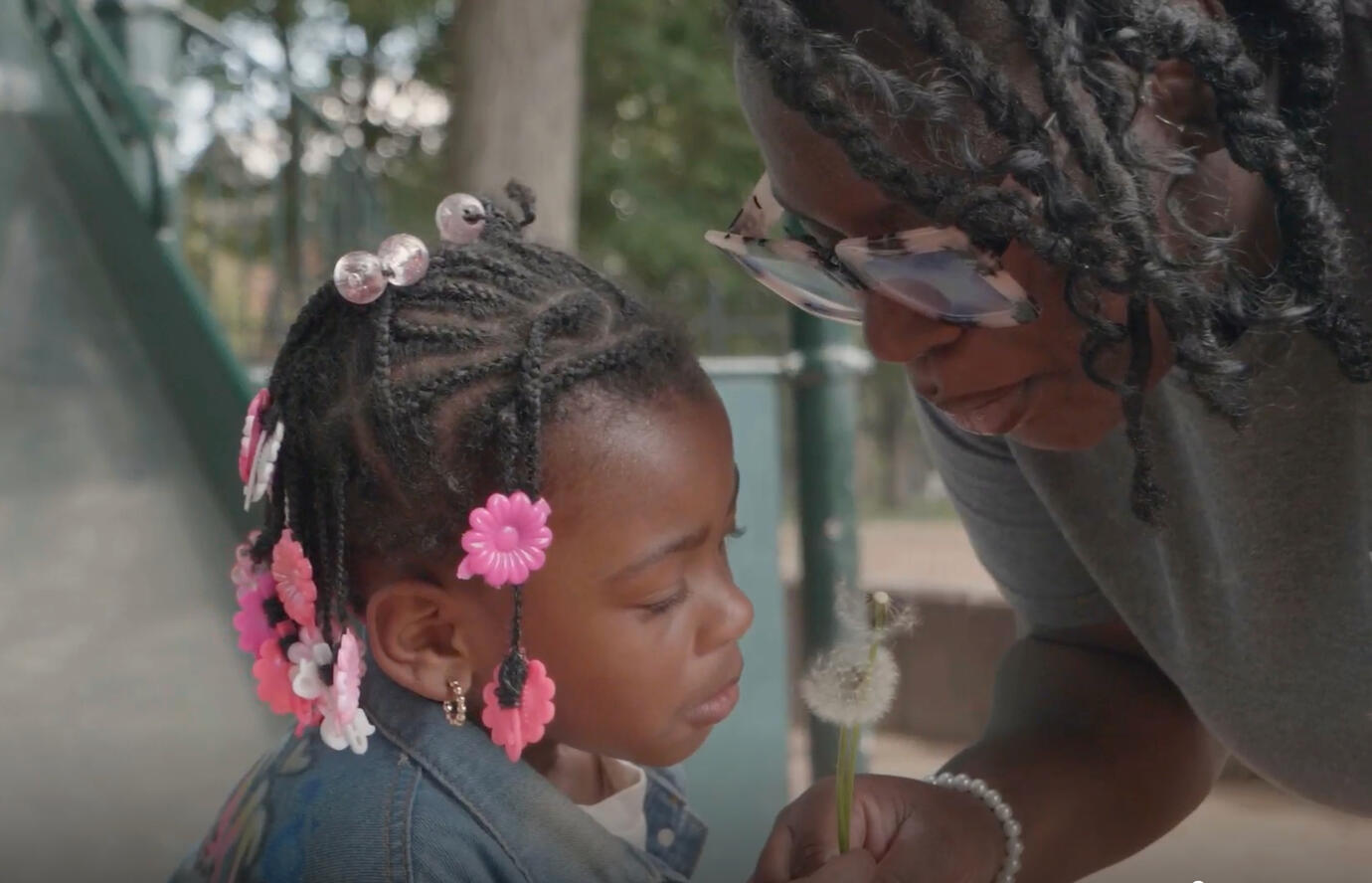
Arkazia follows a 31-year-old mother in Washington, D.C. as she reflects on a childhood shaped by neglect, violence, and instability while navigating the pressures of adulthood, including job loss and financial insecurity. Through intimate moments with her daughter and fiancé, the film traces her determination to break generational cycles and create a different life for her family. Moving between hardship and hope, the story captures her search for stability, peace, and a future she can define on her own terms.
Shu Kaman? Podcast: Dr. Rashid Khalidi | co-host, interview

In this episode with Dr. Rashid Khalidi, we reminisced on his fond memories of Beirut's cultural life, what it takes to preserve the Khadi Library in Jerusalem, current shifts in public opinion, and his upcoming book- which frames Ireland and Palestine as Britain's first and last settler colony.
DC Zesty Story: BeMo Brown | assistant cam, b-roll
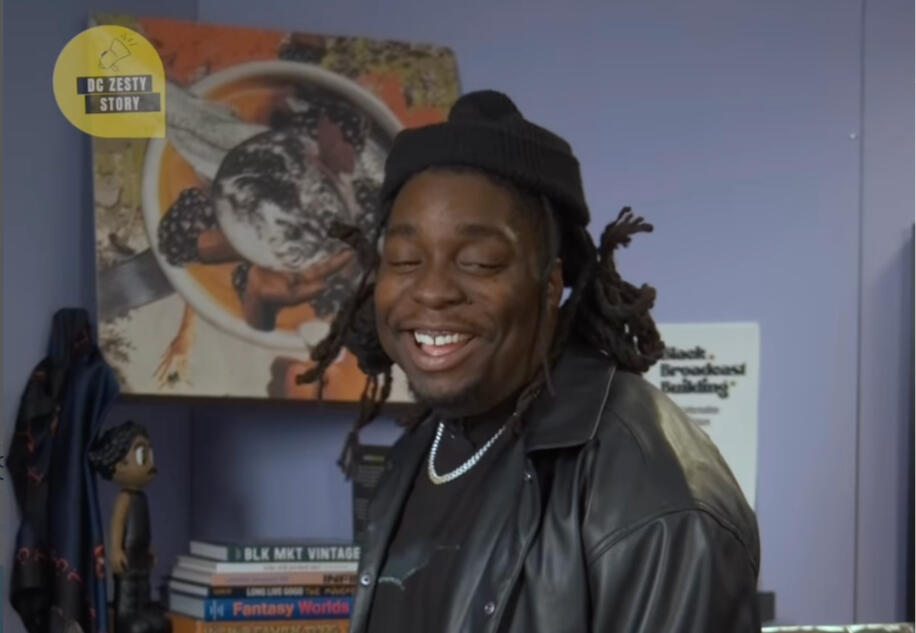
3x Emmy-nominated storyteller, host, writer, and cultural connector, BeMo Brown, speaks about his dedication to uplifting DC's creators, culture-shapers and community members who are often overshadowed by the city's propaganda and political image.
Searching for Dada: A Short Film (Work-in Progress) | directed, filmed, and edited.

A short documentary tracing the footsteps of my late grandfather and the thousands of men who were recruited from the south of Morocco for cheap and exploitative labor in French coal mines following World War II. The film uses an interplay of family oral histories, archival material, and academic research to put the fragments of history together. The project was inspired by my master's thesis research on the same topic.
Dance Like No One's Watching (2025) | co-director, camera

Everyday life in Washington, DC during the National Guard's occupation of the nation's capital.
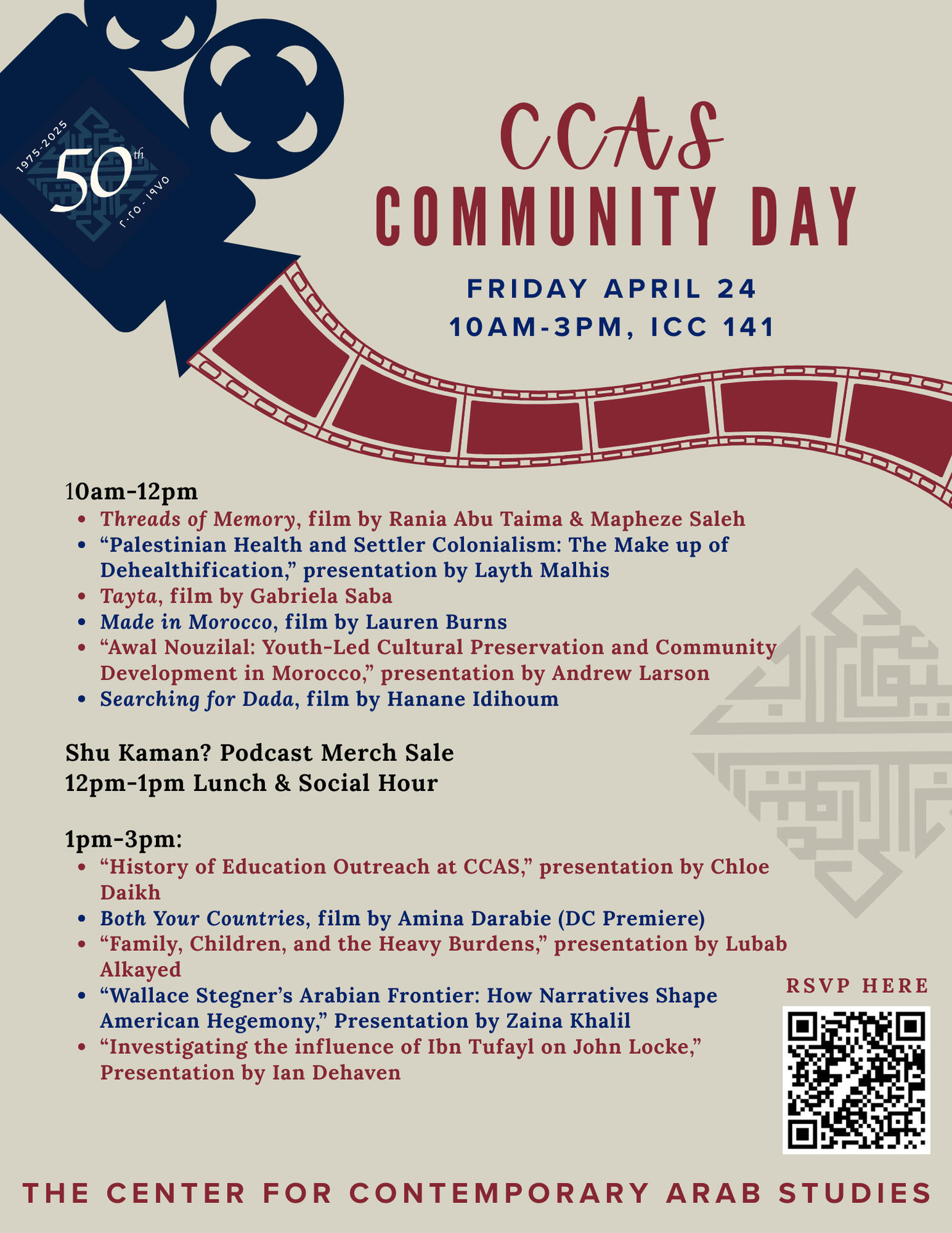
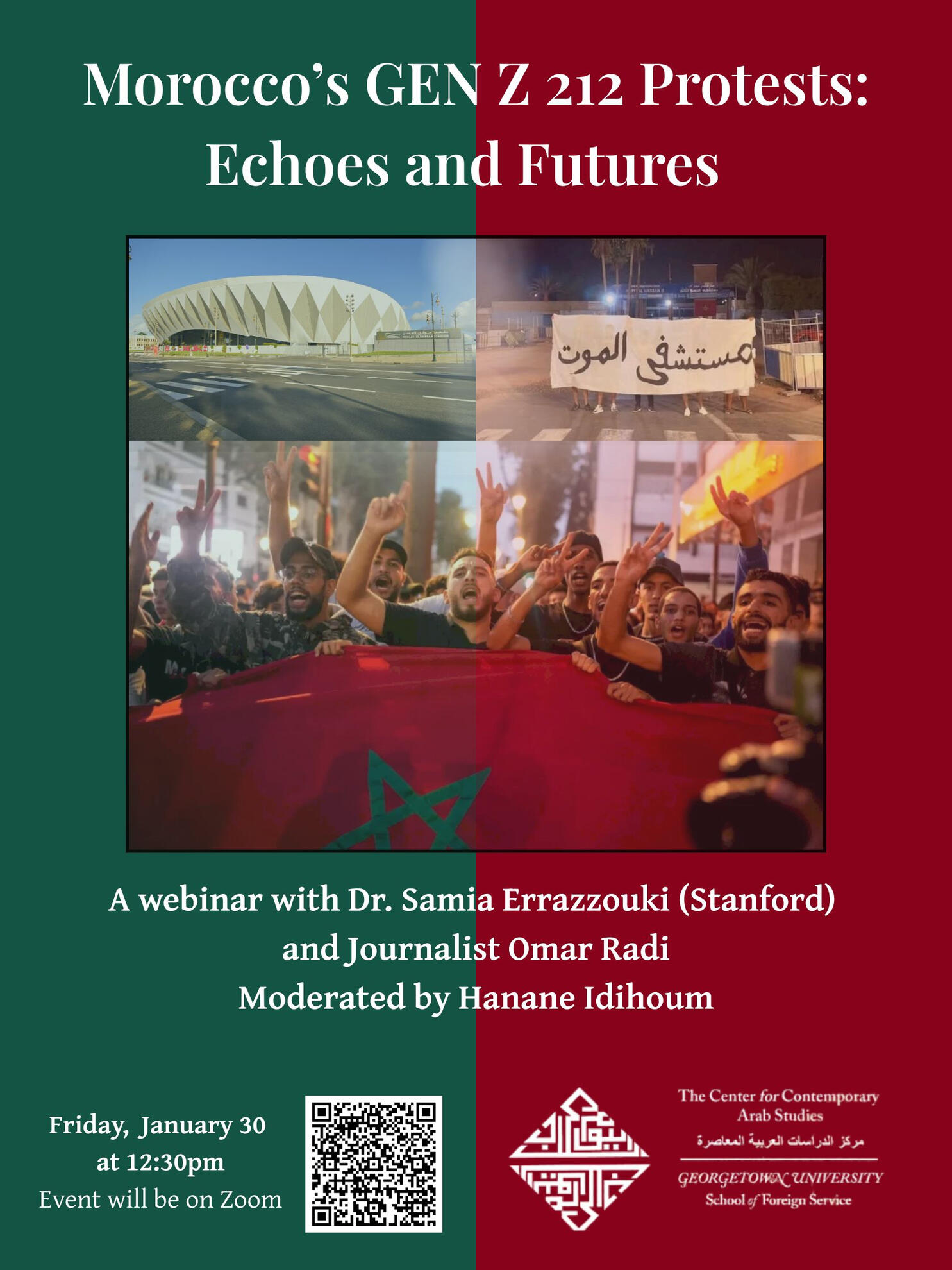
Promotional posters for the Center for Contemporary Arab Studies, Georgetown University
More Coming Soon!
Shu Kaman? is a student-led podcast created at Georgetown’s Center for Contemporary Arab Studies to carry urgent scholarly conversations beyond the university. Hosted and produced by MAAS students, the podcast brings scholars and students into candid dialogue about their work, motivations, and the political realities shaping the Arab world, foregrounding care, intellectual commitment, and lived experience often absent from formal academic spaces. Through scholar interviews and its Student Corner series, Shu Kaman? challenges academic gatekeeping and insists that knowledge circulate freely, accessibly, and with purpose.
(Co-written with Layth Malhis, published on January 22, 2026 by the Center for Contemporary Arab Studies)
This case study examines refugee resettlement at Lutheran Social Service of Minnesota through firsthand experience as a Community Connections Facilitator. It traces the gap between the promises of U.S. resettlement and the realities faced by refugees and frontline staff, highlighting structural underfunding, housing shortages, and burnout within a public-private model of care. The piece argues that refugee well-being cannot depend on overstretched nonprofits and volunteer labor, and calls for durable, publicly accountable systems that center dignity rather than short-term “self-sufficiency.”
(Written for Course: Culture & Communicating for the Public Sphere with Professor Heather Steffen, Spring 2025 )
This essay examines Morocco’s GENZ212 protests as the outcome of long-standing structural pressures, including neoliberal economic policies, uneven development, and persistent youth unemployment. It traces how state priorities have favored megaprojects and elite-oriented development while public services and peripheral regions remain neglected, deepening generational frustration and political distrust. By situating youth protest within these material conditions, the piece argues that GENZ212 represents a sustained critique of governance, inequality, and the limits of Morocco’s development model rather than a momentary outburst of anger.
(Written for Course: Development in the Arab World with Professor Fida Adely, Fall 2025 )
This op-ed explores the growing criminalization of international students in the United States amid intensified repression of pro-Palestinian activism. Through personal reflection and recent cases of detention and visa revocation, it exposes how international students are valued for their productivity yet rendered disposable when they dissent, revealing the deep precarity of academic life under a fragile immigration status.
(Written for Course: Writing for Global Audiences with Professor Vicki Valosik, Spring 2025 )
This essay examines Morocco’s growing militarization through recent pro-Palestine protests, arms deals with the United States, and the country’s expanding role in regional and African security frameworks. It traces the contradictions between popular demands for peace and justice and the state’s deep investment in military spending, normalization with Israel, and cooperation with U.S. defense infrastructure, including Africom. By linking Palestine, Western Sahara, food insecurity, and militarism, the piece argues that Morocco’s political crises cannot be understood in isolation but as part of a broader system that prioritizes war preparedness over social welfare, accountability, and human security.
(Written for Course: Studying the Arab World with Professor Rochelle Davis, Spring 2025 )